For the last two decades, the goal of paid media managers and growth marketers has been simple: Win the click.
We optimized for blue links, fought for the top spot on Google, and tracked CTRs like our lives depended on it. But the game is changing. With the rise of AI-powered search—from Google’s AI Overviews to ChatGPT and Perplexity—users aren’t just looking for a list of links anymore. They’re looking for answers.
Welcome to the era of Generative Engine Optimization (GEO).
If you’re managing paid media or organic growth, this shift is critical. Your customers are asking AI complex questions, and if your brand isn’t part of the answer, you don’t just lose a click—you lose the conversation entirely.
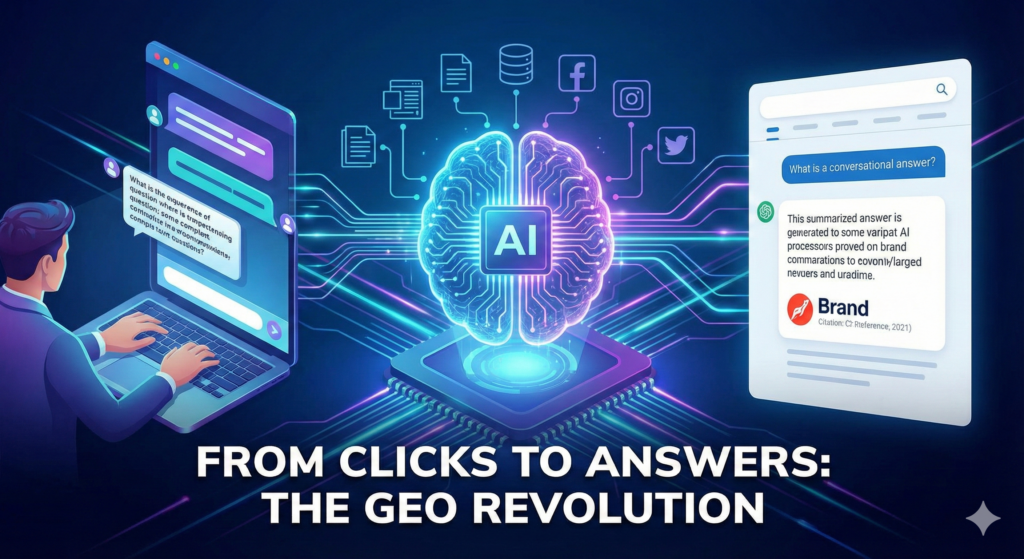
What is Generative Engine Optimization (GEO)?
Traditional SEO is about ranking. GEO is about being cited.
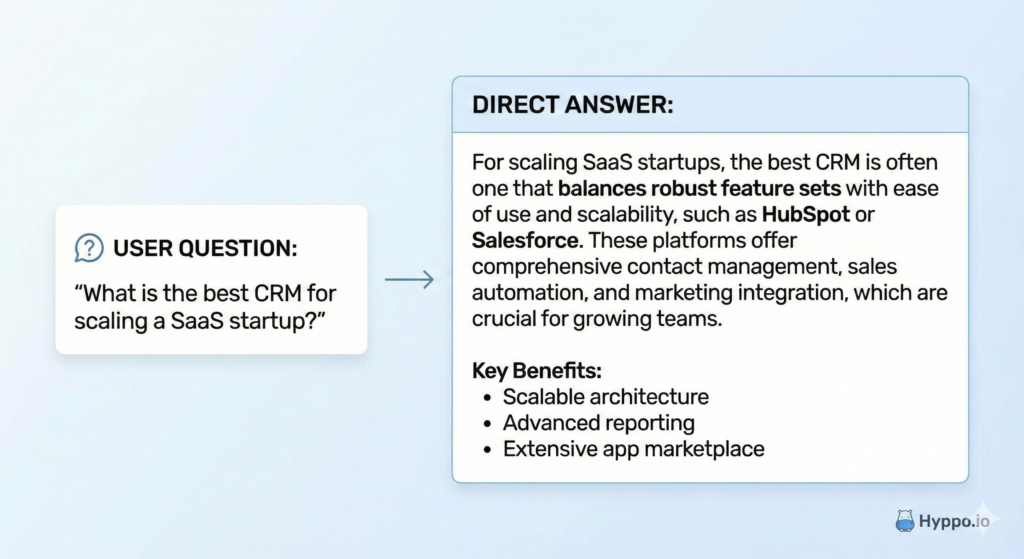
When a user asks ChatGPT, “What is the best CRM for scaling a SaaS startup?”, the AI doesn’t just scan for keywords. It synthesizes information from authoritative sources to construct a conversational answer. GEO is the art and science of optimizing your content so that Large Language Models (LLMs) recognize your brand as the authority and cite you in those answers.
It’s the difference between being found and being recommended.
Why This Matters for Growth Leaders
As a paid media manager, you might wonder why organic AI optimization matters to your ad spend. The answer is trust and visibility.
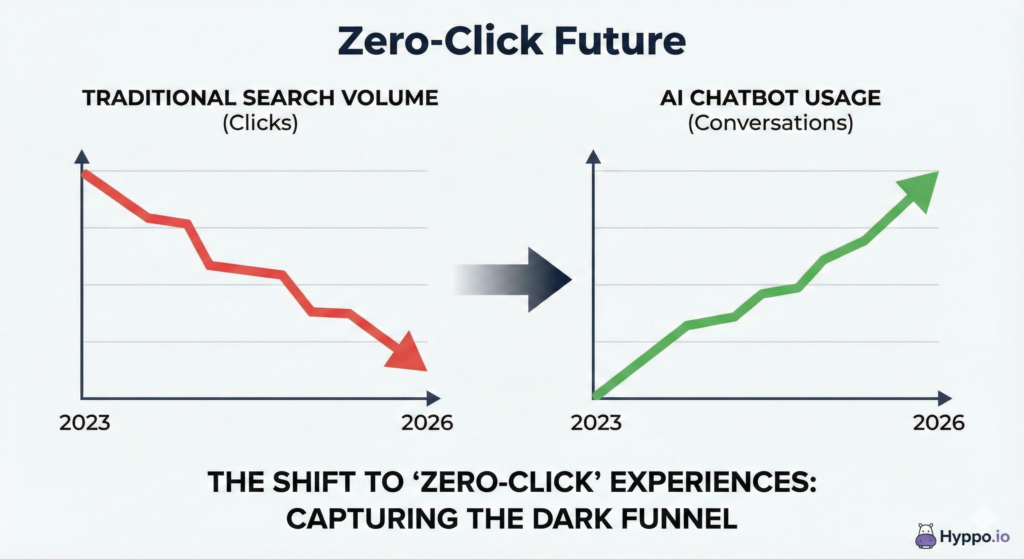
- The “Zero-Click” Future: Gartner predicts that by 2026, search engine volume could drop by 25% as users turn to AI chatbots. If your growth strategy relies solely on traditional search ads, you’re fishing in a shrinking pond.
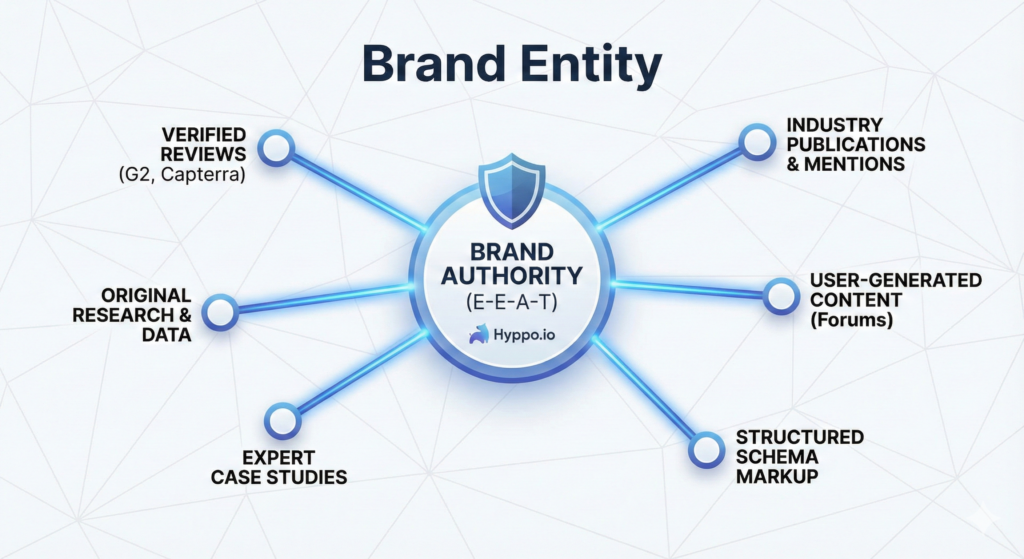
- Brand Authority: AI models prioritize “entities” (brands, people, concepts) with established authority. A strong GEO presence signals to the AI that your brand is a market leader, which indirectly lifts your paid performance by increasing brand recognition.
- Holistic Funnel Strategy: At Hyppo, we believe in full-funnel growth. GEO captures the “dark funnel”—those early research phases where buyers ask AI for comparisons before they ever see your retargeting ad.
5 Strategies to Optimize for AI Search
You don’t need to throw out your SEO playbook, but you do need to evolve it. Here is how to make your brand “AI-readable.”
1. Optimize for “E-E-A-T” on Steroids
AI models are trained to prioritize high-quality information. Google’s E-E-A-T (Experience, Expertise, Authoritativeness, and Trustworthiness) is more important than ever.
- Action: Ensure your content is written by verifiable experts. Include detailed author bios. If you’re a SaaS company, publish case studies that prove your Experience and Results.
2. Structure Your Data
LLMs are smart, but they still appreciate structure. Schema markup helps AI understand exactly what your content is—whether it’s a product, a review, or a FAQ.
- Action: Use schema markup for everything. Make it easy for the AI to “parse” your pricing, features, and reviews so it can accurately compare you against competitors.
3. Answer the Question Directly
AI loves directness. Complex, burying-the-lead content often gets skipped.
- Action: Adopt an “Answer First” format. If you’re writing an article about “AI for Marketing,” start with a clear, direct definition in the first paragraph. This increases the likelihood of being picked up as a snippet or summary.
4. Build Your “Brand Entity”
AI determines authority by looking at how the rest of the web talks about you. It scans forums (like Reddit), review sites (like G2), and industry publications.
- Action: Encourage user-generated content and third-party reviews. A mention in a high-authority industry report is gold for GEO.
5. Own the Data
AI models love to cite statistics and unique data points.
- Action: Publish original research, surveys, or internal data reports. If you are the source of the data, the AI has to cite you.
The Hyppo Approach
At Hyppo.io, we don’t just watch trends; we build systems to capitalize on them. Whether it’s through our strategic paid media management or our own AI tools like GoChat.ar, we help businesses navigate the complexity of modern growth.
The transition from SEO to GEO isn’t a threat—it’s an opportunity to position your brand as the definitive answer in your industry.
Ready to future-proof your growth strategy? Let’s talk.