Retention & lifecycle

Subscription Renewal With No Warning: Why It Ends in a Chargeback

When a subscription renews once a year with no prior warning, a customer who forgot about it never reaches a cancellation flow: they see a charge they do not recognize and dispute it as fraud with their bank. A chargeback costs more than a refund, and unlike a cancellation, there is no winning that customer back afterward.

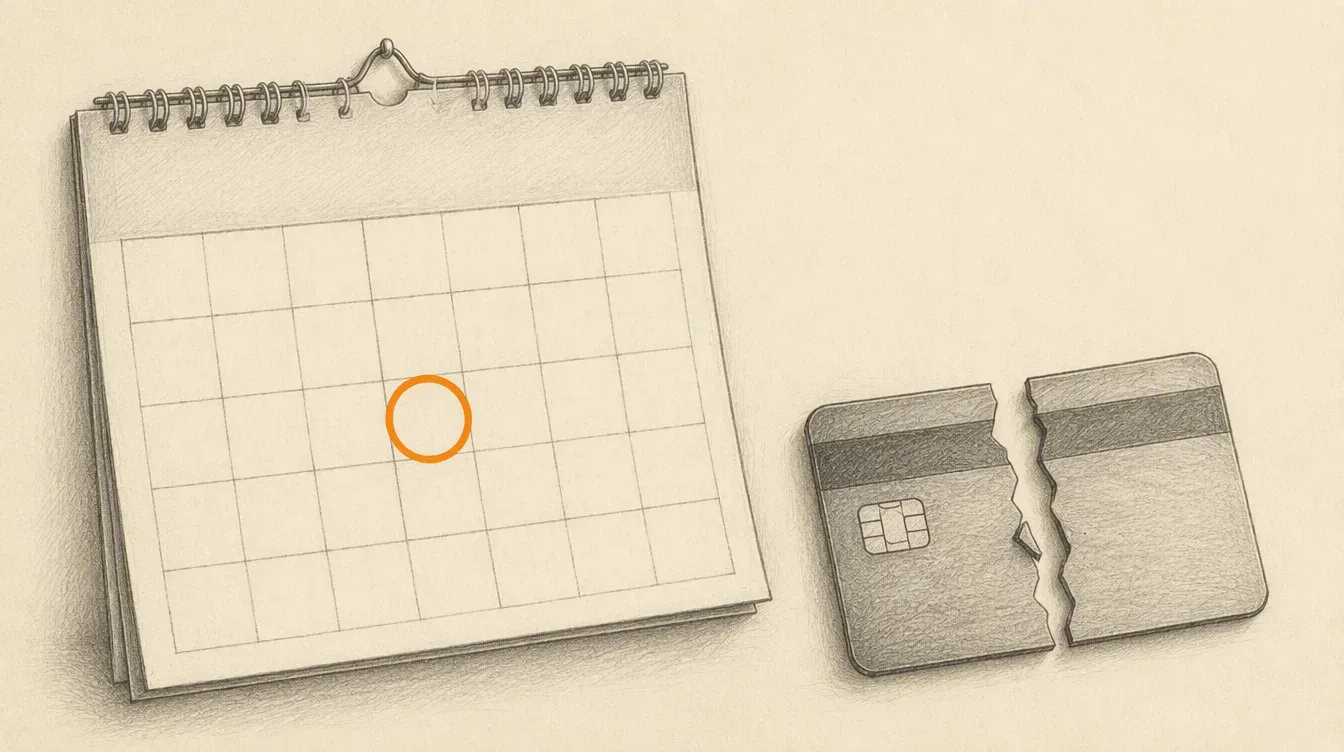
A graphite calendar with a date circled in solid orange, next to a credit card cracking in half

What matters

  • A renewal with no warning does not send the customer to a cancellation flow: it sends them straight to disputing the charge with their bank.
  • A chargeback is different from voluntary churn (the customer chooses to leave) and involuntary churn (the charge fails): here the charge works, but the customer no longer recognizes it as theirs.
  • A chargeback costs more than a refund because the processor adds a fee on top of the lost charge, and too many of them put the business at risk with its payment gateway.
  • A notice with the exact date and amount, sent a few days ahead, turns the surprise into a decision: cancel, switch plans, or let it renew.

A customer subscribed a year ago, used the product for a couple of months, and forgot they were still paying for it. The renewal date arrives, the annual charge goes through with no warning, and the person does not recognize it on their card statement. They do not email support to cancel: they open their banking app and flag it as unauthorized. That is a chargeback, and by the time the business finds out, it has already lost the charge and paid an extra fee for the trouble.

A chargeback is not a late cancellation

There are two well-known ways to lose a subscriber: voluntary, when someone reaches the cancellation flow and chooses to leave, and involuntary, when the recurring charge fails over an expired card or insufficient funds. A chargeback is a third path, and it is the worst of the three: the charge technically worked, but the customer no longer recognizes it as an active relationship. They are not negotiating price or asking for time. They are telling their bank someone charged them without permission, and the bank believes them first.

Why it costs more than just giving the money back

A refund returns the charge and nothing else. A chargeback adds a fee the payment processor charges for handling the dispute, whether or not real fraud was involved, on top of the charge itself. Past a certain volume of chargebacks, a payment gateway can flag the business as high risk, which makes it harder to charge even the customers who genuinely want to keep paying. And unlike someone who cancels, who can still be offered a pause or a different plan, there is no point reaching back out to someone who already disputed a charge as fraud: as far as their bank, and probably they themselves, are concerned, the case is closed.

How to keep the renewal from landing as a surprise

  1. Send the exact date and amount, a few days ahead. A generic “your plan renews soon” email is not enough: the person needs to see the real number and date to recognize the charge when it lands.
  2. Use the channel that person actually reads, not just the email address where the signup confirmation landed a year ago. Push, WhatsApp or SMS reach people who archived that email unread.
  3. Put a direct link to cancel or switch plans in the same notice. If canceling is easier than disputing, most of the people who were going to leave anyway will take the path that does not cost a processor fee.

Automating that notice through the right channel, tied to the real billing date and amount, is what separates a customer who decides to leave from one who reports you by accident.

Frequently asked questions

What is the difference between a chargeback and a cancellation?

A cancellation goes through a customer decision, with or without a stated reason. A chargeback goes through the bank: the customer sees a charge they do not recognize, flags it as unauthorized, and the bank forces the money back. The business only finds out there was a problem after it already lost the charge and paid an extra fee.

Why does a chargeback cost more than a refund?

A refund simply returns the charge. A chargeback adds a processor fee on top of the lost charge, whether or not real fraud was involved, and a string of chargebacks can get a payment gateway to flag the business as high risk, which makes it harder to charge even customers who genuinely want to keep paying.

How far ahead should a renewal notice go out?

Far enough for the person to act before the charge goes through, not the same day. The notice needs the exact date and amount, plus a direct link to cancel or switch plans without having to email support first.

Keep reading

Retention & lifecycle 3 min read

Involuntary Churn: What It Is and How to Prevent It

Involuntary churn is not a decision, it is a failed charge. How to separate it from voluntary churn, measure it on its own, and recover it with timely retries.

All topics

×
Hi! 👋

How can we help you today?

Please write a message first.