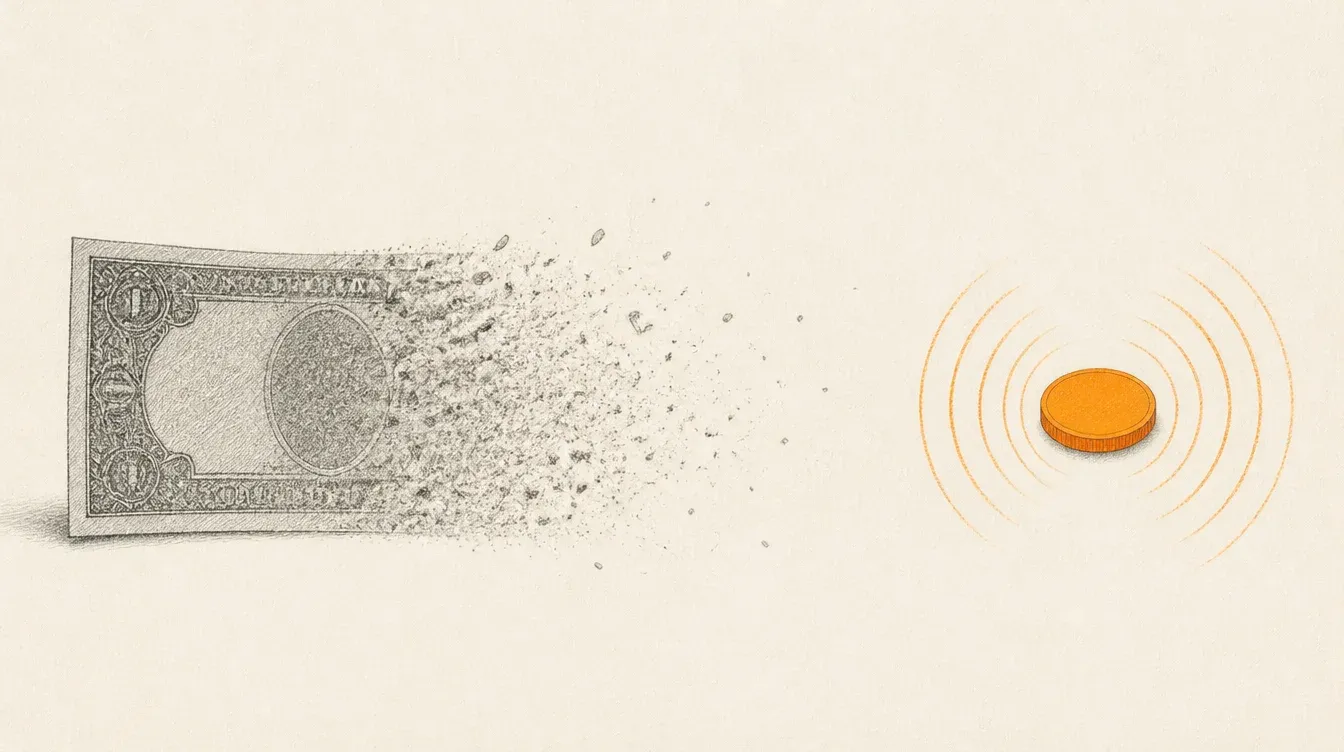
A customer pays in cash, walks out with the product, and the business never hears from them again until they walk back in. It is not that nobody wants to reach out: that bill carried no data to reach out with. In Peru, 58% of people already use a digital wallet like Yape or Plin, per the Central Reserve Bank (BCR). But that personal adoption does not mean your business is collecting digitally: over 70% of small-business transactions still happen in cash, per the same report, via the Lima Chamber of Commerce.
Adopting a wallet is not the same as getting paid through one
The 58% describes how many people have Yape or Plin installed, not how much of their spending runs through it. That same customer might pay their favorite business by transfer and, two blocks later, pay you in cash simply because nobody offered the wallet as the obvious option at the counter. The gap is not about buyer interest: it is about which method each business offers first.
The difference shows up more outside Lima. Outside the capital only 53% of the population is banked, against 71% inside it, per the same report. A provincial business that only takes cash operates in a market where that data loss is structurally more common, not an exception.
What each payment method brings, and what it does not
- Cash. Nothing. The business cannot tell if today’s buyer already came before, nor can it tell a weekly customer apart from a one-time visitor.
- Digital wallet (Yape, Plin). At minimum, the phone number behind the transfer: enough to group a customer’s payments and notice when they stop coming back, without asking them to sign up anywhere.
- Wallet plus WhatsApp. The same phone number, plus the chance to send a win-back message on the channel that person is already on.
None of the three steps requires a big investment: it requires offering the wallet first, not only when the customer asks for it. In 2024 digital transactions grew 77% and QR payments grew 85%, with over 26 million monthly operations, per the BCR: the infrastructure already exists in the customer’s pocket. What is missing is the business using it at the counter before cash.
It is the same problem that shows up when measuring digital access outside Lima: a national average hides a gap that plays out counter by counter. It is also the first step in the work we do in data marketing in Peru: before building any retention campaign, the sale itself has to leave at least one piece of data to reach that customer again with.
If most of your sales still get paid in cash, the problem is not just the payment method: it is that you have no one to talk to after each one.