Retention & lifecycle

The customer who paid in installments takes longer to come back

A customer who paid for a purchase in interest-free installments does not come back later because they lost interest in the brand: they come back later because part of their card limit is still tied up in those installments. Measuring repurchase time without accounting for how many installments are still active makes temporary credit limits look like customer churn.

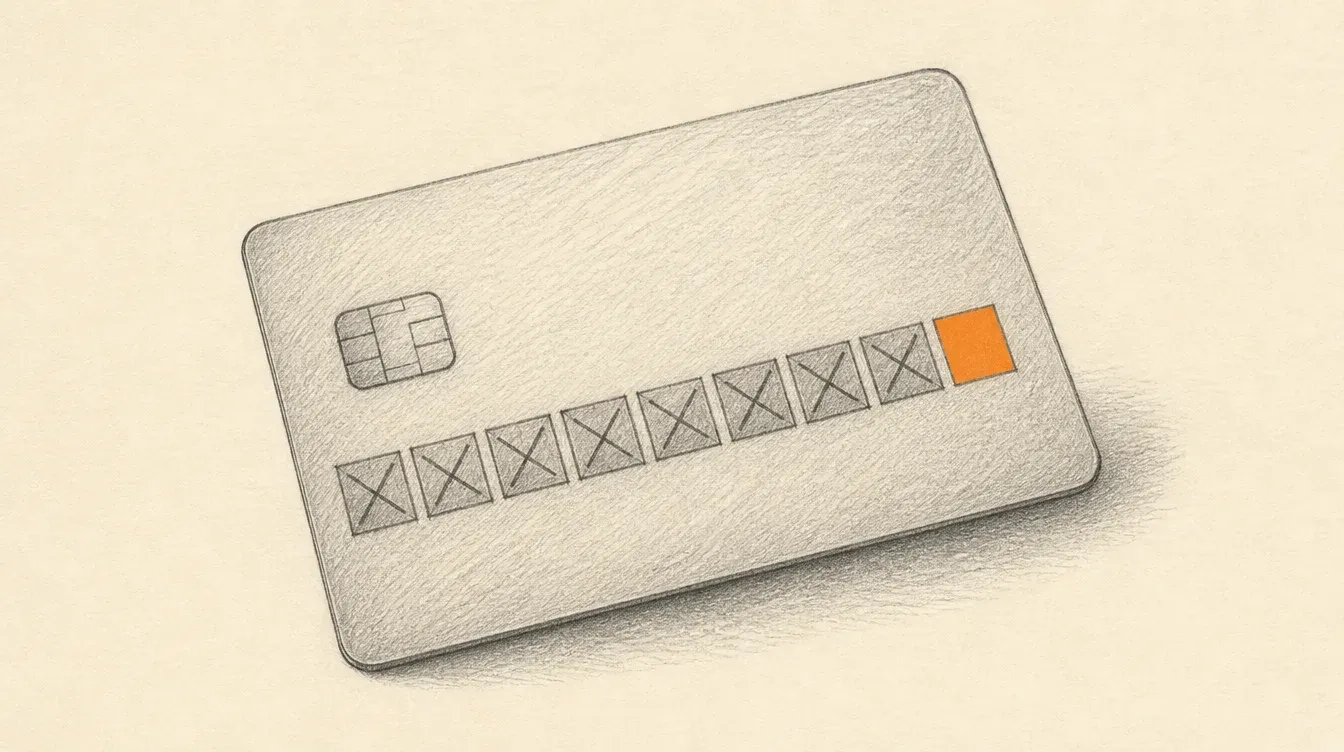
A grey credit card with a strip of installment boxes, most crossed out in grey and a single one filled solid orange marking the free credit limit

What matters

  • In Argentina, a purchase financed in installments ties up part of the customer credit card limit until it is paid off, even when their interest in the brand has not changed.
  • The installment plan on the first purchase sets a different expected repurchase window per product: twelve installments free up card room much later than three.
  • Measuring repurchase against the same fixed window for every product flags a customer who is still paying as "at risk," not one who lost interest.
  • A win-back campaign sent before the installment plan is due competes with the customer own budget instead of adding room to buy.

A customer buys a product over twelve interest-free installments. Sixty days pass and they have not come back. The team drops them into the “at risk” segment and fires off a win-back campaign. The customer did not lose interest: they still have ten installments left to pay, and their card has no room for another large purchase.

Why committed credit stalls the next purchase

When a purchase is financed in installments, part of the card limit stays tied up until it is fully paid off. While that happens, the customer can still be interested in the brand and simply have no real room to buy again, especially if the next product is also high-ticket. Confusing that credit limitation with lost interest leads teams to fire win-back campaigns at customers who are going to come back on their own once room frees up, and to misjudge the real moment to offer them something new.

This is not exclusive to electronics or branded apparel. It hits any category with long-term financing (motorcycles, furniture, appliances, travel): the more installments a category typical ticket admits, the longer the window in which a customer stays interested but has no room to return.

How to read the real repurchase timing

  1. Record how many installments were used on each sale, not just the amount. Without that, any “time since last purchase” segmentation ignores whether the customer is still paying.
  2. Calculate the expected repurchase window per product based on the typical installment plan. A twelve-installment purchase frees up card room much later than a three-installment one.
  3. Compare repurchase rate within that adjusted window, not against a fixed period applied to every product.
  4. Hold the win-back campaign until after the expected plan is due, not before: sending it while the customer is still paying competes with their own budget.

It is the same logic that separates the installment effect from a campaign real performance in average order value: financing changes purchase behavior at more than one point in the cycle, not just the first one. It is also the standard we apply in growth for Argentina, inherited from the same retention-by-stage framework: a customer paused by credit is not the same as a lost customer, and treating them the same spends retention budget where it is not needed.

If your “inactive customers” segment includes buyers who are still paying off installments, you are probably reading the timing of your next campaign wrong.

Frequently asked questions

Why does a customer who paid in installments take longer to buy again?

Because part of their card limit stays committed to the remaining installments from the first purchase. Until those installments are paid off, the customer has less available credit for a second high-ticket purchase, even if their interest in the brand has not changed.

How do you calculate the expected repurchase window based on installments?

Estimate it from the typical installment plan for each product: a purchase financed over twelve installments frees up card room much later than one over three. Comparing repurchase rate against that adjusted window, instead of a fixed period applied to every product, avoids flagging as "at risk" a customer who is still paying.

Should you send a win-back campaign while the customer is still paying installments?

It is not the best moment: that campaign competes with the customer own budget, which is still committed to the earlier purchase. It is better to hold the win-back message until after the expected installment plan is due, once card room has actually freed up and the offer has a real chance of converting.

Keep reading

Retention & lifecycle 6 min read

Customer retention: the three-stage framework we use

Retention does not get fixed with a reactivation campaign. It gets fixed by placing every customer in their lifecycle stage and measuring where the base stops leaking.

All topics

×
Hi! 👋

How can we help you today?

Please write a message first.